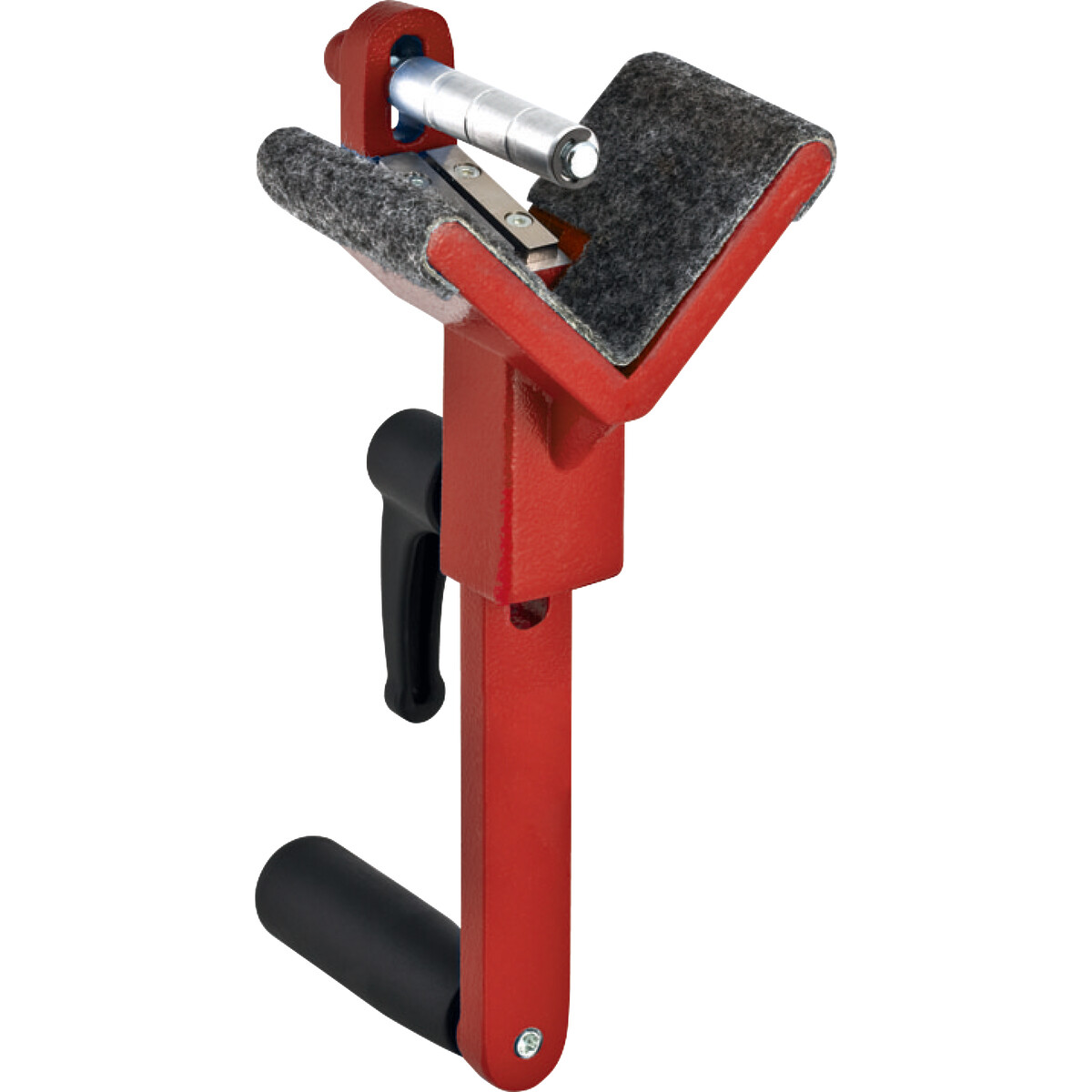
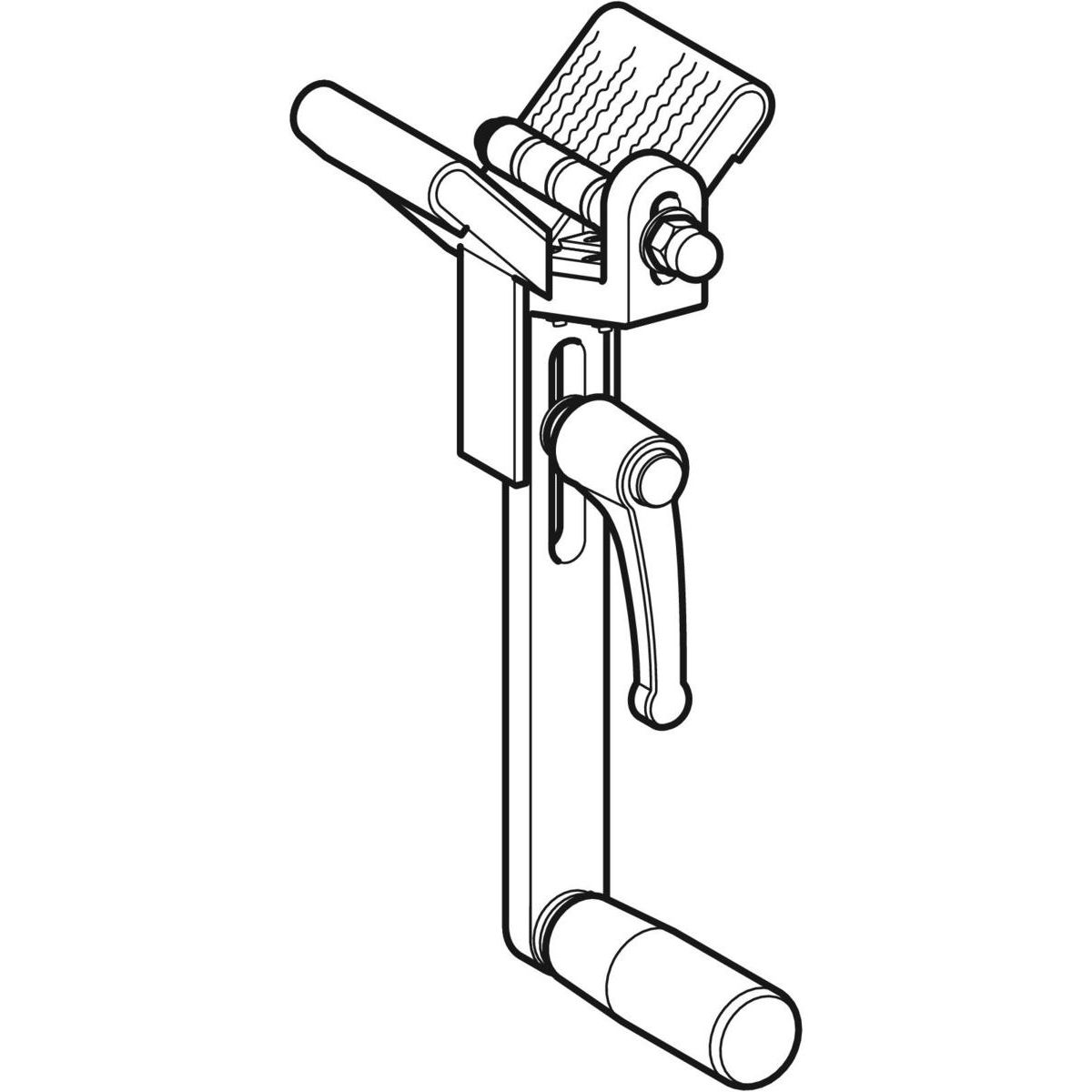
Chamfering tools for HDPE (high-density polyethylene) are equipment used to create chamfers or bevels on the edges of HDPE pipes. Chamfering is the process of angled cutting of pipe ends to facilitate assembly, improve fitting adhesion, and prevent stress points. Here is a general description of HDPE chamfering tools:
Construction: HDPE chamfering tools are typically compact and portable. They are made from durable materials such as steel, aluminum, or fiber-reinforced plastic, depending on the application requirements and desired durability.
Cutting Blade: The core component of the chamfering tool is the cutting blade. This blade is sharp and designed to cleanly remove material from the pipe, creating a slope or bevel on the edge.
Cutting Mechanism: Chamfering tools can use various mechanisms to perform the cut. Some are equipped with rotating blades that are operated manually, while others use fixed blades and are designed to be pushed along the pipe.
Depth adjustment: Some chamfering tool models allow you to adjust the cutting depth as needed. This makes it possible to create chamfers of different sizes depending on the project specifications.
Ergonomics: Chamfering tools are generally designed with an ergonomic handle to ensure a comfortable and stable grip during the chamfering process.
Protection: Some chamfering tools are equipped with blade guards for when the tool is not in use. This reduces the risk of accidental injury.
Types of chamfers: Chamfering tools can be designed to create different types of chamfers, such as simple 45-degree chamfers or more complex chamfers for specific fittings.
The chamfering process typically involves the following steps:
Preparation: The pipe is cleaned to remove any dirt or debris that could interfere with the cut.
Positioning: The chamfering tool is positioned on the pipe to create the desired chamfer.
Cutting: The operator uses the tool to make the cut by sliding it along the pipe or by activating the rotary cutting mechanism.
Finishing: Once the chamfer is created, the pipe is inspected to ensure the cut is clean and even. Using the correct chamfering tool is important for preparing HDPE pipes before assembly, which can help improve the quality of connections and extend the service life of piping systems.