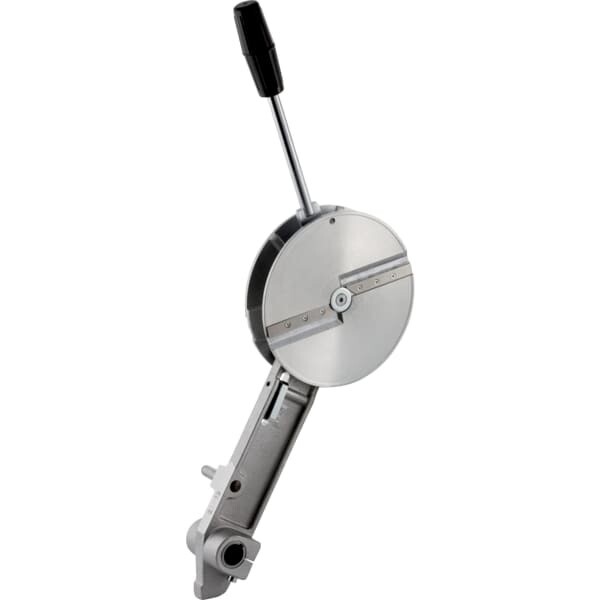
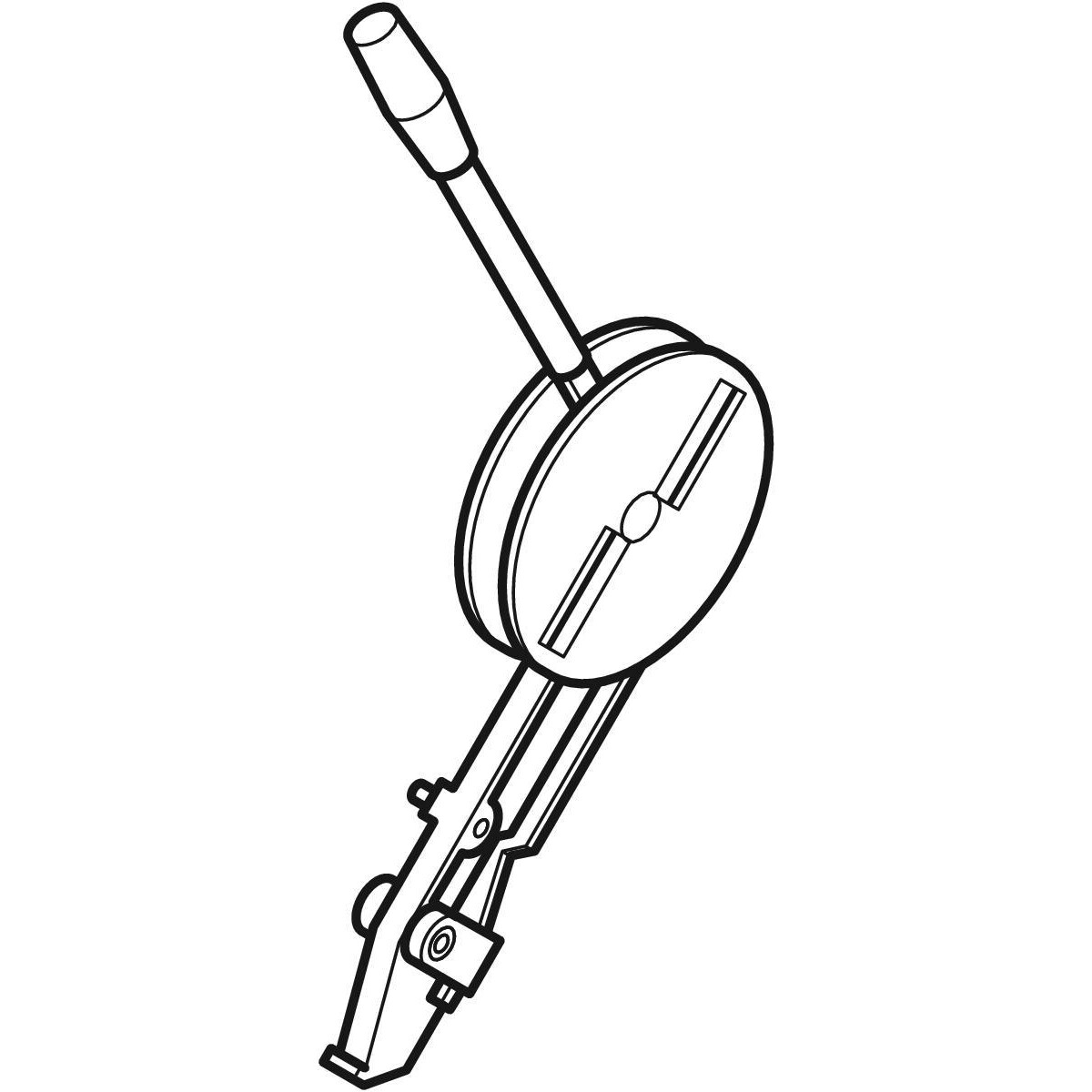
A manual planer for HDPE (high-density polyethylene) is a tool designed to remove thin layers of material from the surface of an HDPE pipe. This planing process prepares the pipe surface for welding, removes burrs, or creates strong, uniform joints. Here is a general description of a manual HDPE planer:
Construction: The manual HDPE planer typically consists of a main body, a planing blade, a handle, and a cutting depth adjustment mechanism. The main body houses the planing blade and is designed to guide the tool along the pipe. The handle provides a comfortable grip for the operator, while the adjustment mechanism allows control of the cutting depth.
Planing Blade: The planing blade is the central part of the tool that comes into contact with the pipe surface. It is sharp and designed to remove thin layers of material evenly. Adjustment Mechanism: Some hand planes are equipped with an adjustment mechanism that allows the operator to control the cutting depth. This allows the amount of material removed to be adjusted according to specific needs.
Ergonomic Handle: The tool's handle is ergonomically designed to provide a comfortable grip during use and to reduce operator fatigue.
Protection: Some hand plane models are equipped with blade protection mechanisms when the tool is not in use, reducing the risk of accidental injury.
Application: To use a hand plane on HDPE, the operator positions the tool on the pipe surface and applies even pressure while sliding the tool along the pipe. The planing blade removes a thin layer of material to create a clean, even surface. Manual planing of HDPE is often performed before welding operations, such as thermal fusion welding, to ensure strong, leak-proof joints. It is important to follow the tool manufacturer's recommendations and project-specific guidelines to achieve optimal planing results and ensure quality connections.