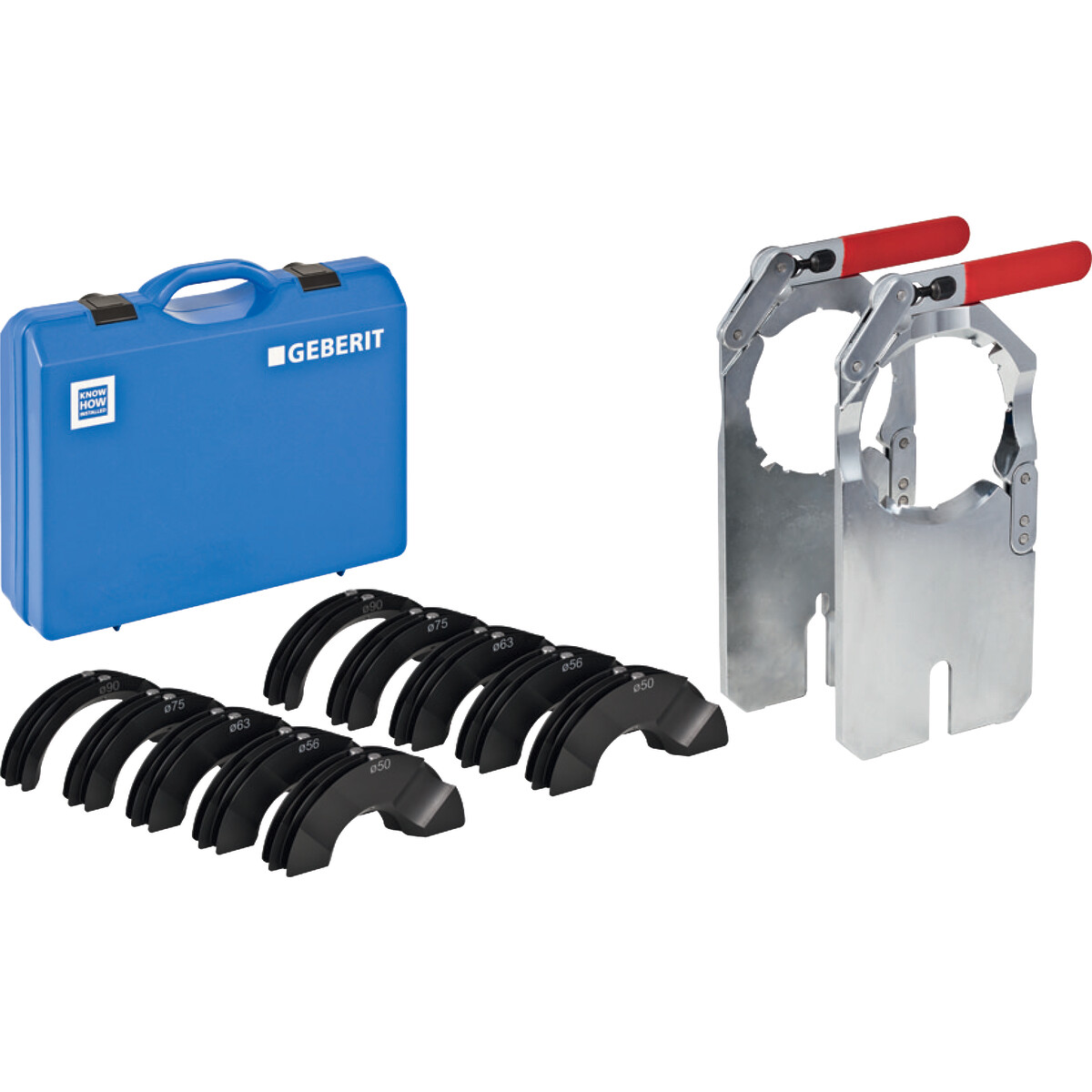
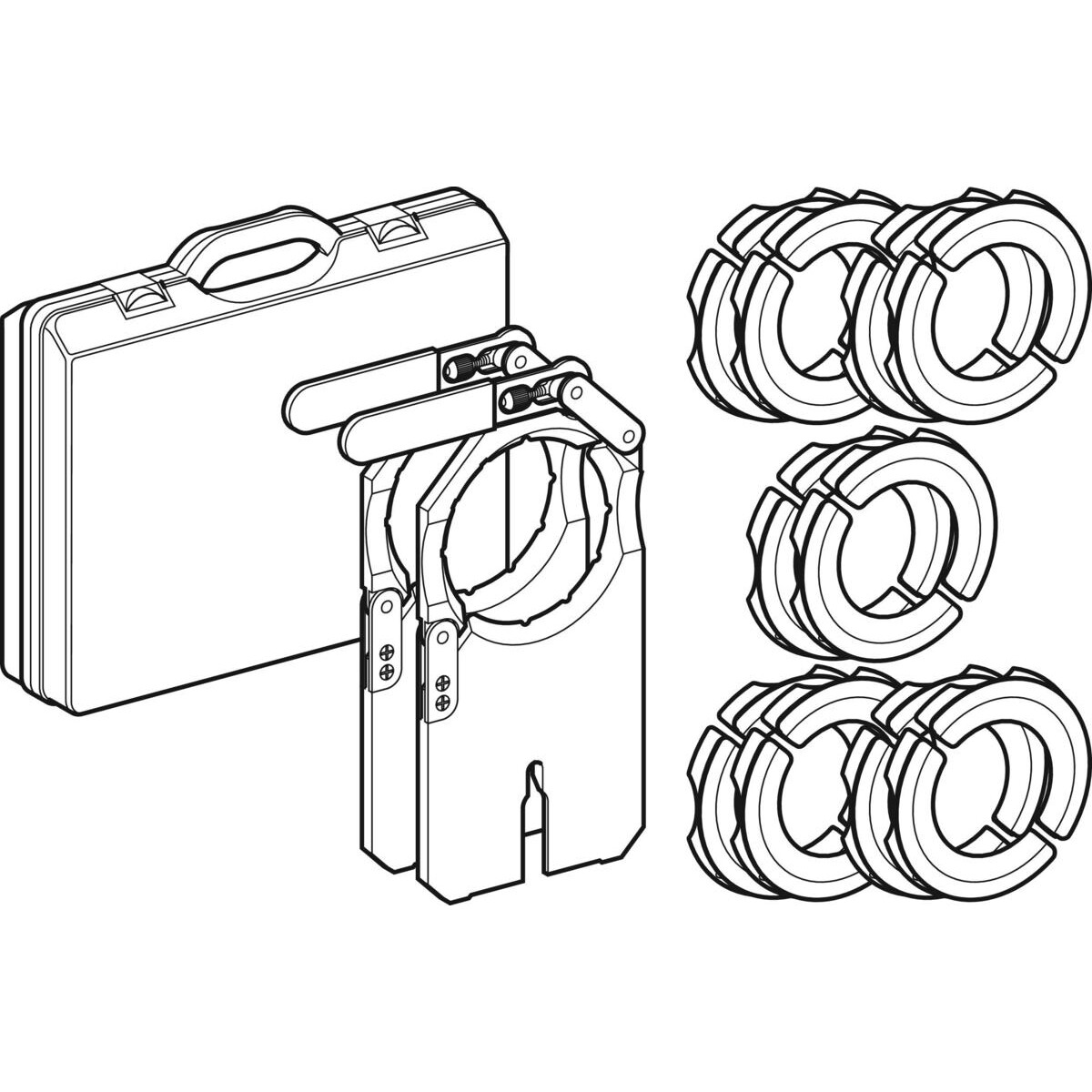
High-density polyethylene (HDPE) expansion rings are components used in piping systems to compensate for dimensional variations or discrepancies between different types of HDPE pipes or fittings. These rings ensure a strong, leak-proof, and uniform connection between piping components that are not a perfect match in size or shape. Here is a general description of HDPE expansion rings:
Material: HDPE expansion rings are made from high-density polyethylene, the same material used in HDPE pipes and fittings. This ensures chemical compatibility and similar strength within the piping system.
Design: Expansion rings are designed to fit various types of fittings, pipes, or systems. They typically have a cylindrical shape with thick walls to withstand pressures and forces exerted on the piping.
Size: Expansion rings are available in various sizes to accommodate different pipe diameters and fitting configurations. They are generally manufactured to fit standard pipe diameters.
Function: Compensating rings are used to compensate for dimensional differences between pipe components, such as pipes or fittings with slightly different diameters. They create a stronger, more watertight connection by filling gaps or spaces between the components.
Installation: To install a compensating ring, it is inserted between the pipe components that require a compensated connection. The compensating ring acts as a spacer to ensure a proper, watertight connection between the components.
Application: HDPE compensating rings are used in various applications where dimensional differences between pipes and fittings may occur, such as in water distribution, sewage, irrigation, and other systems.
Chemical Resistance: Because HDPE is known for its chemical resistance, HDPE expansion rings will not react with chemicals commonly transported in HDPE pipes, contributing to the durability and safety of the system.
HDPE expansion rings are important components for ensuring a reliable and long-lasting connection between the various elements of a piping system. Choosing the correct size and following the manufacturer's guidelines is crucial for proper installation and optimal performance.