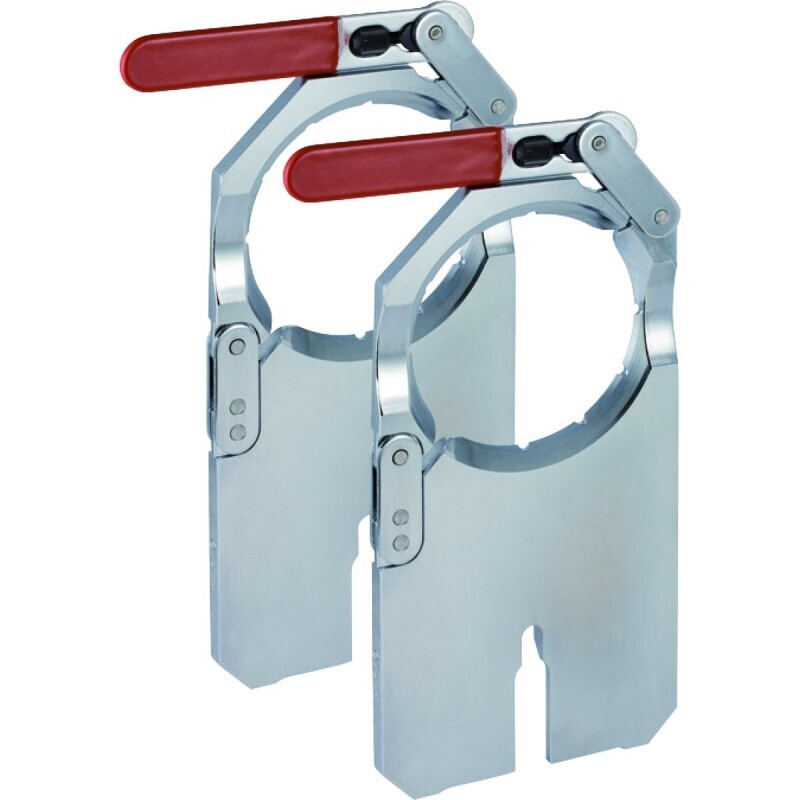
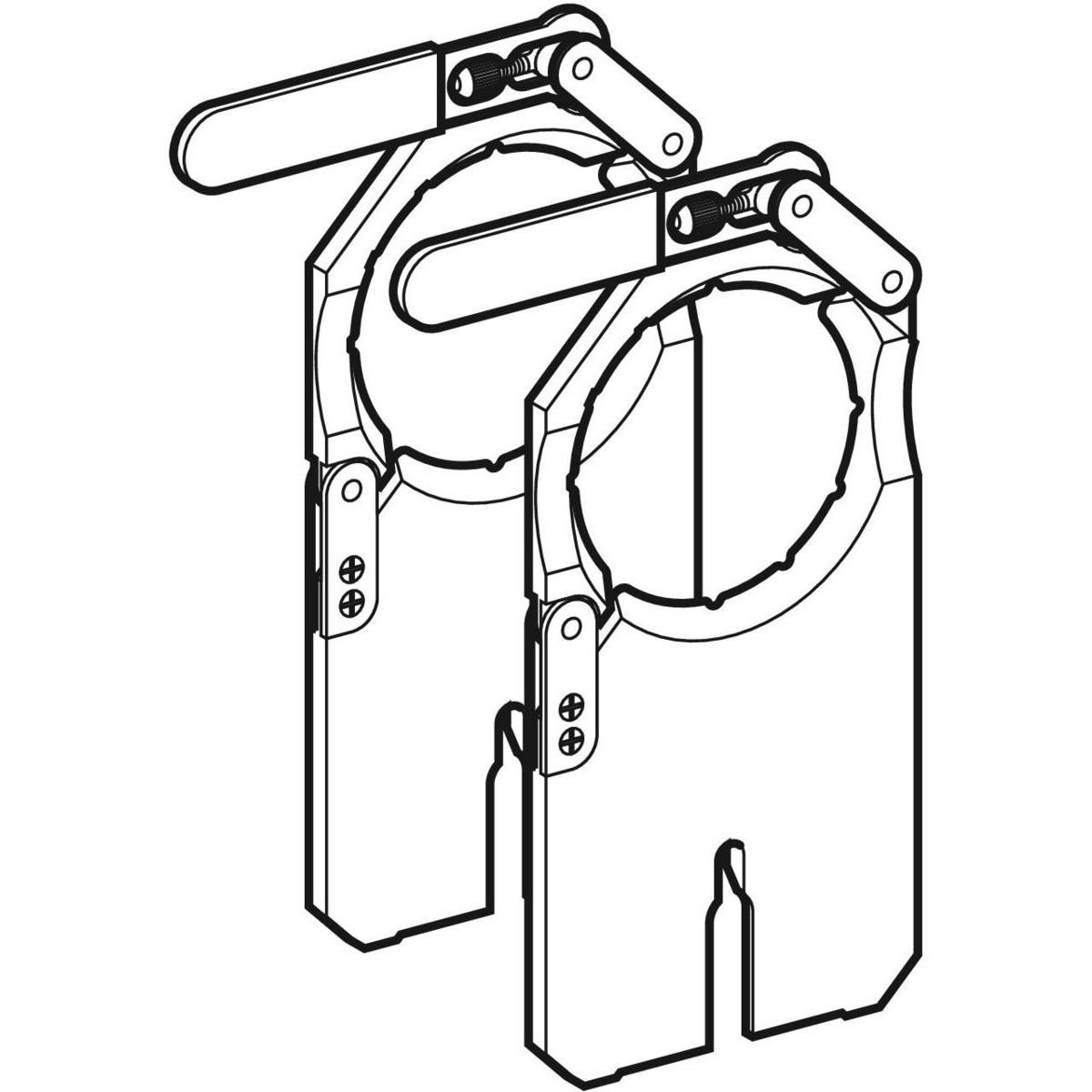
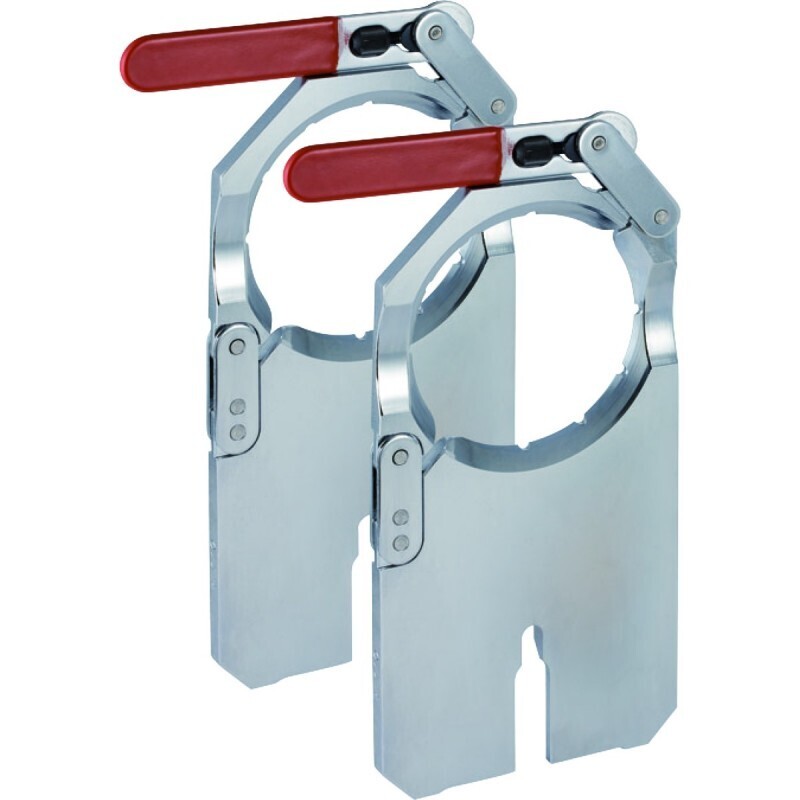
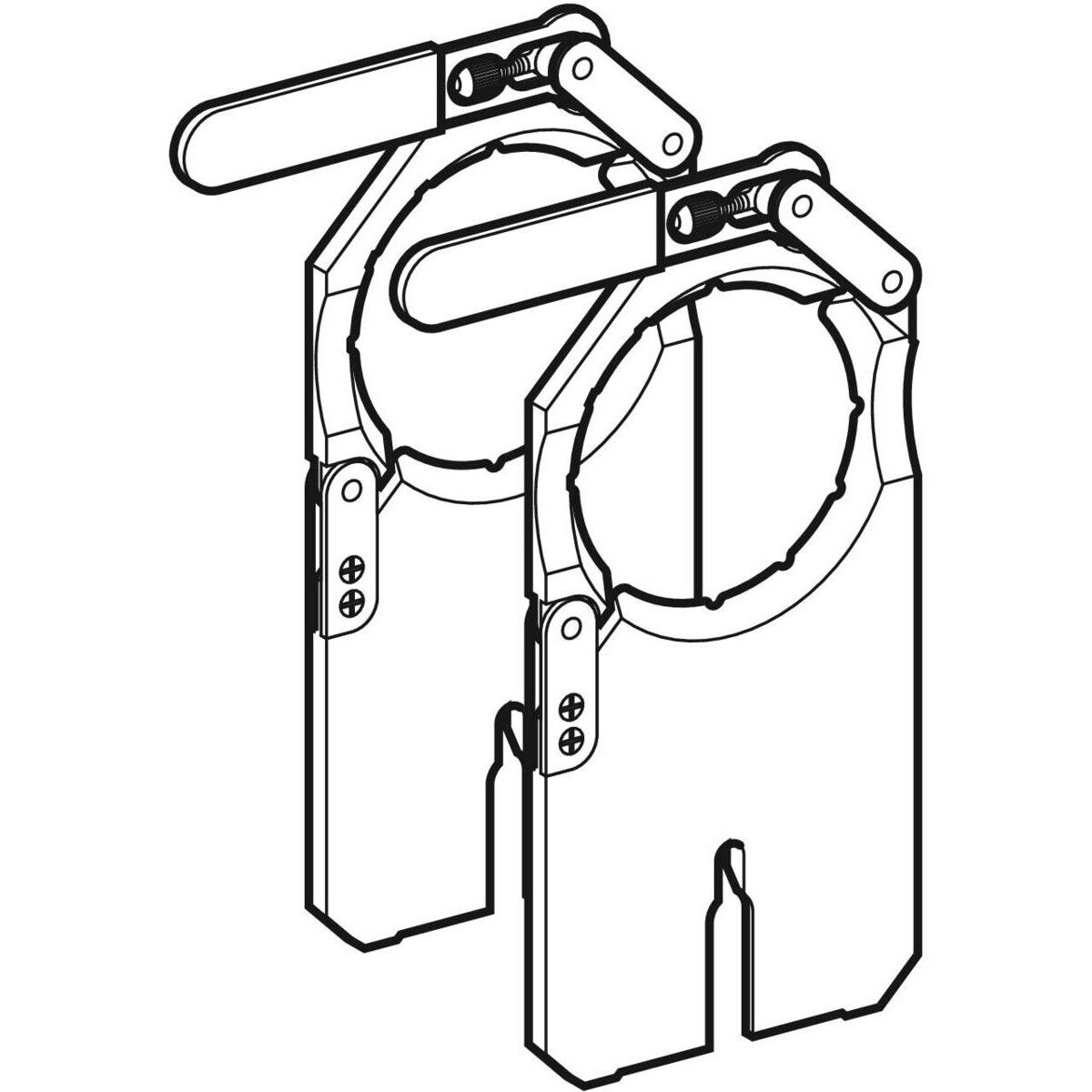
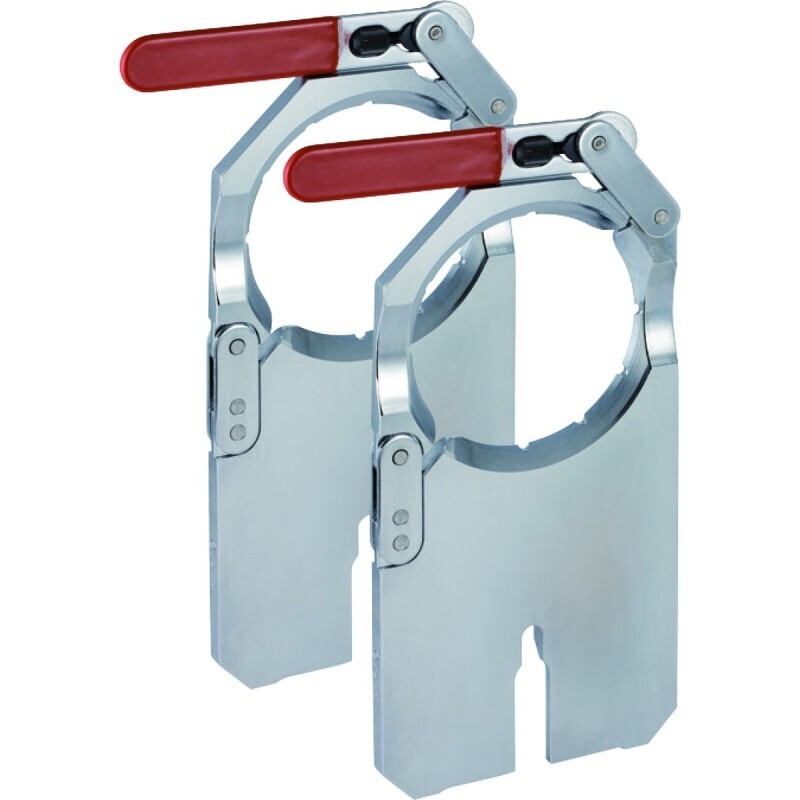
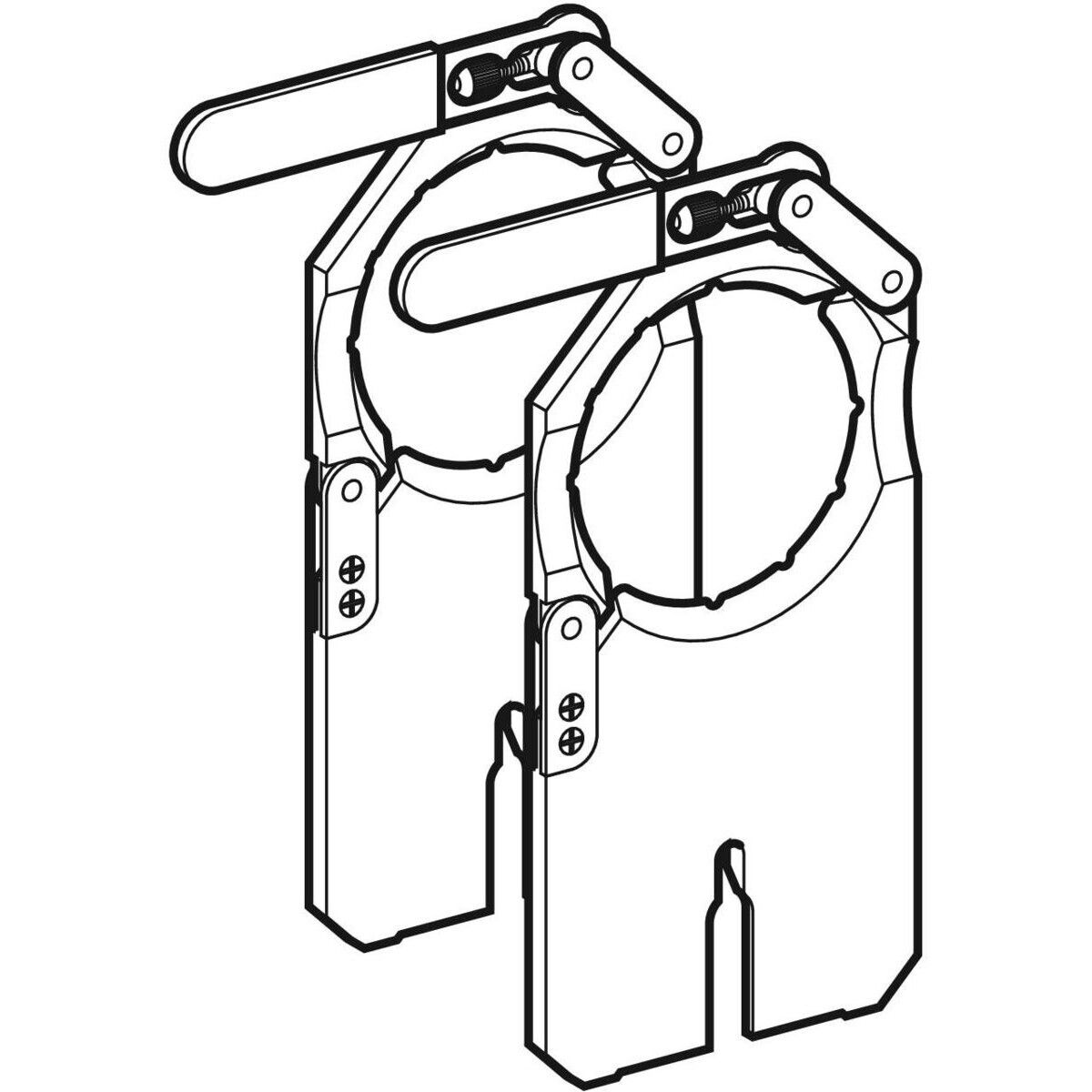
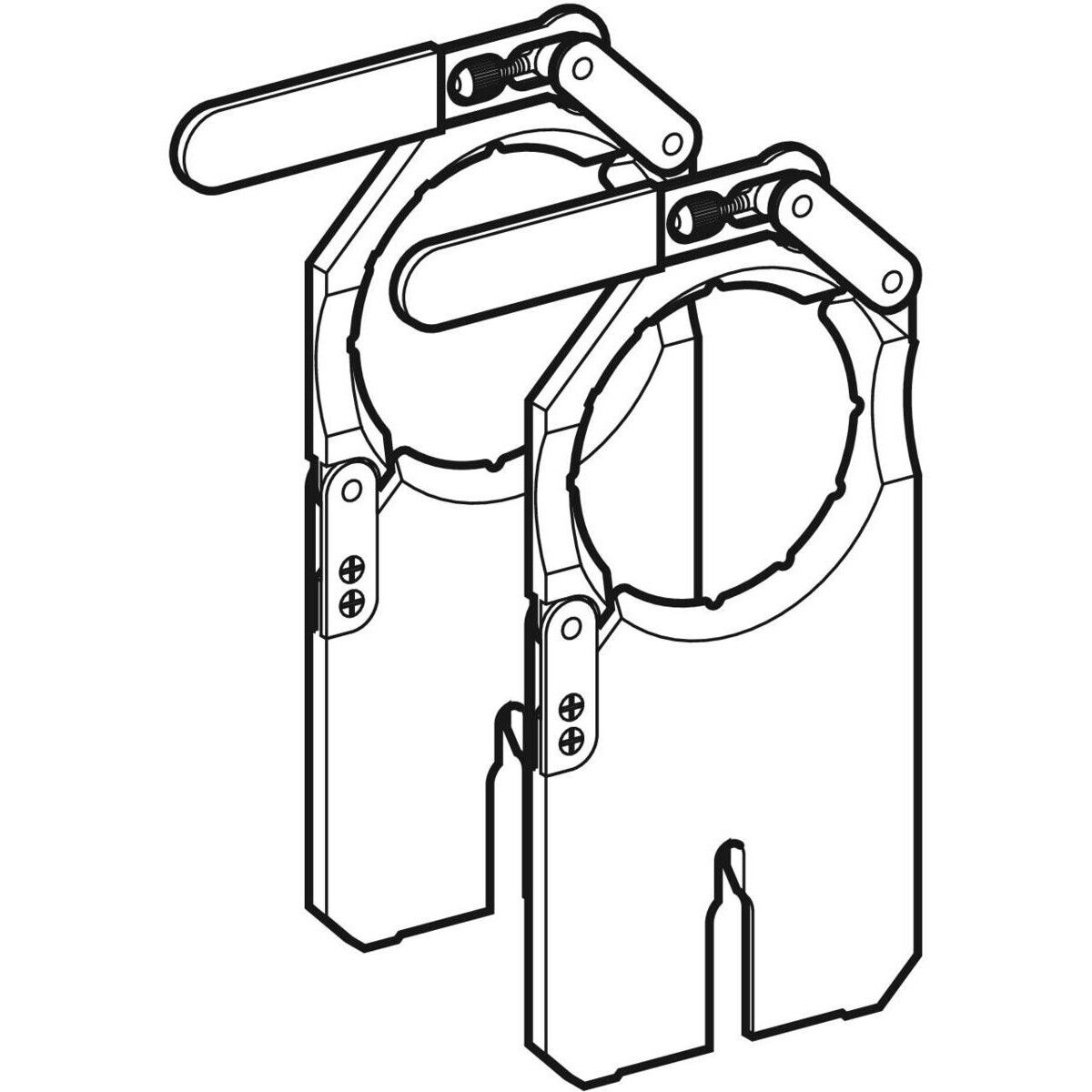
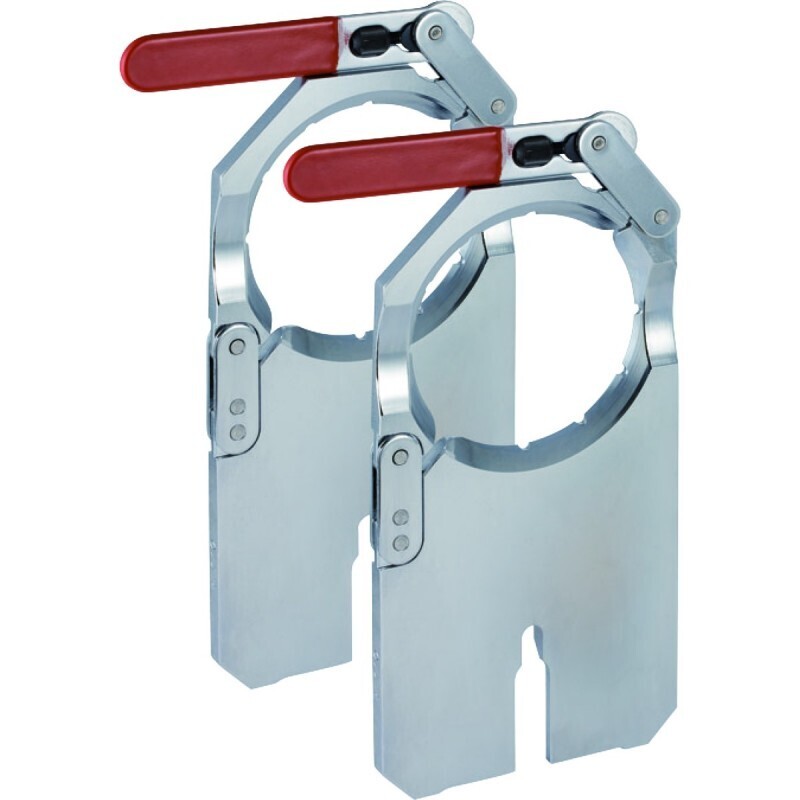
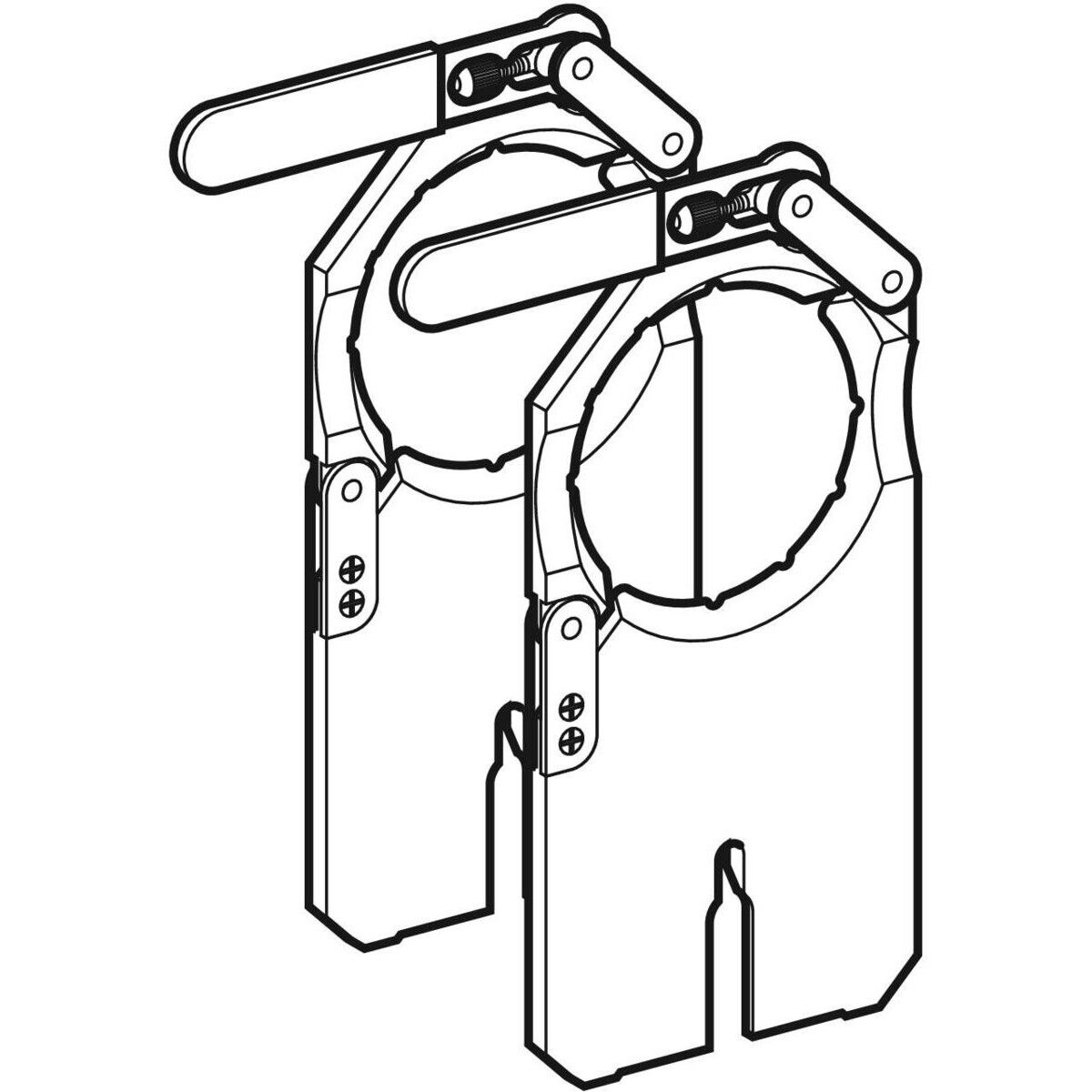
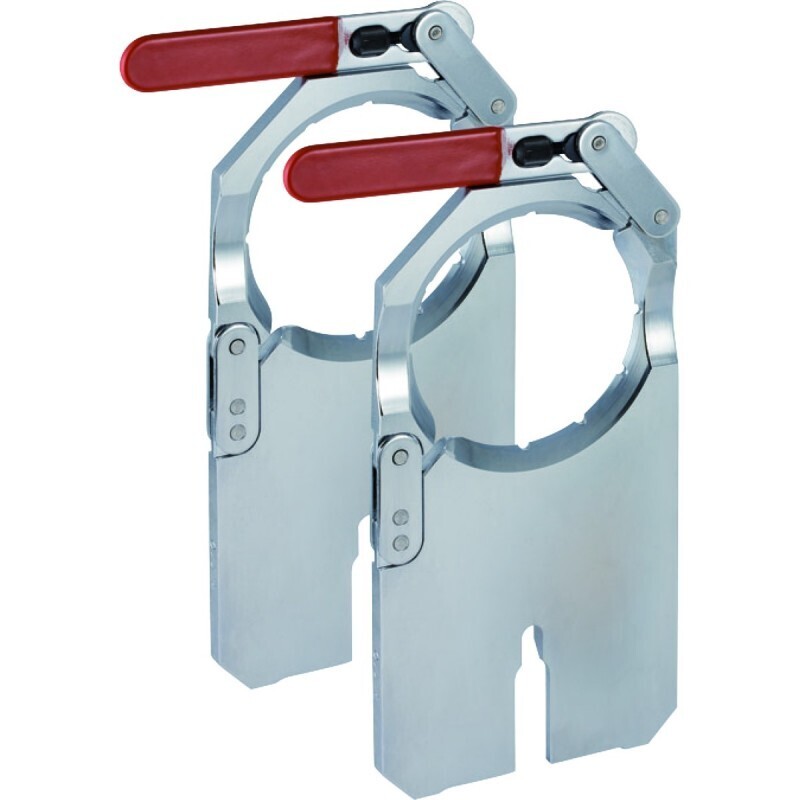
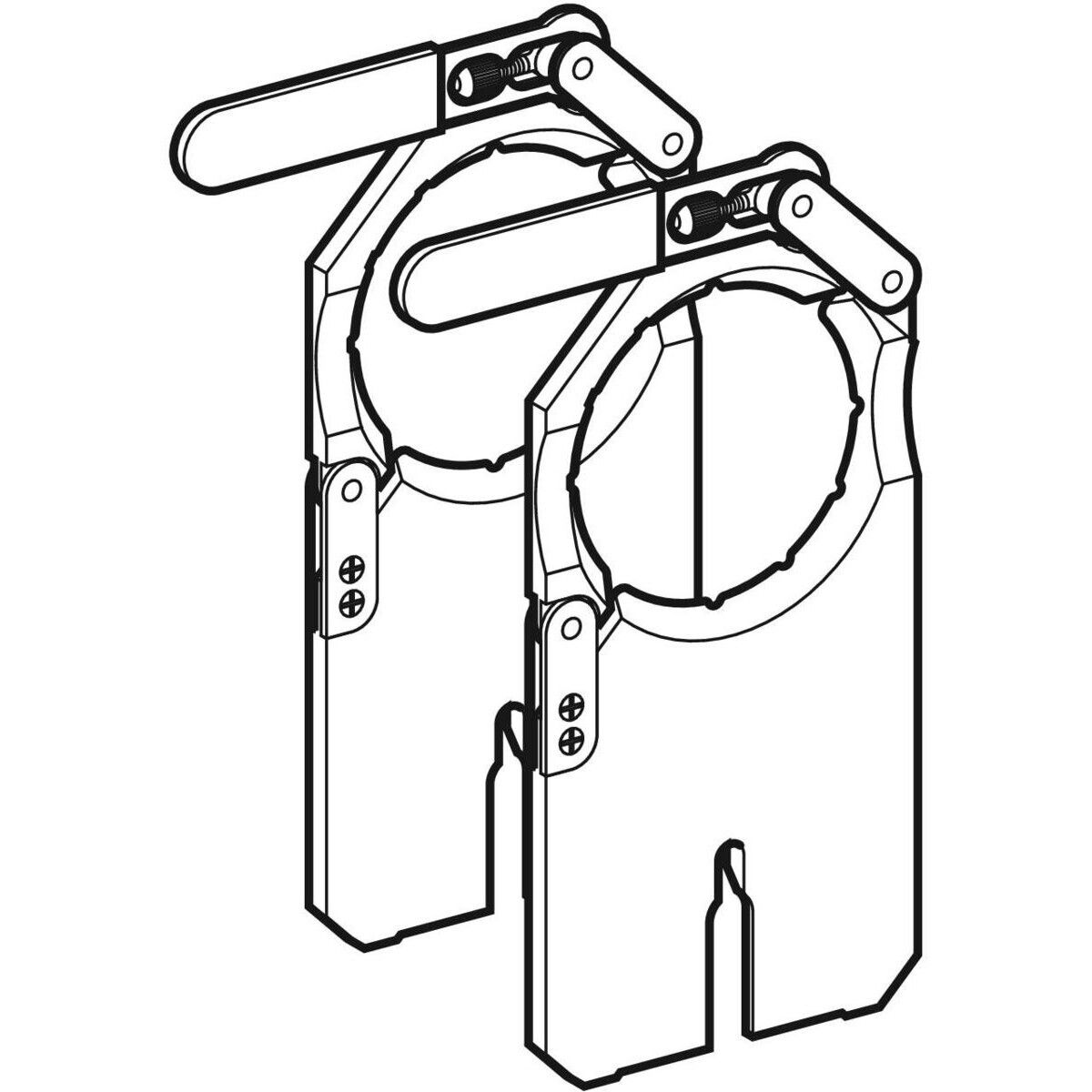
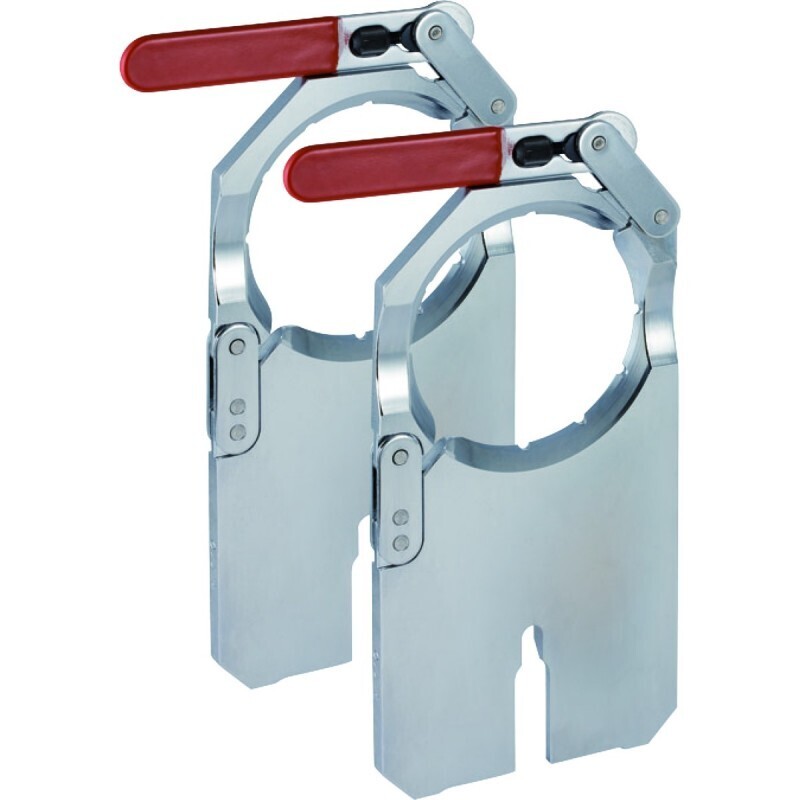
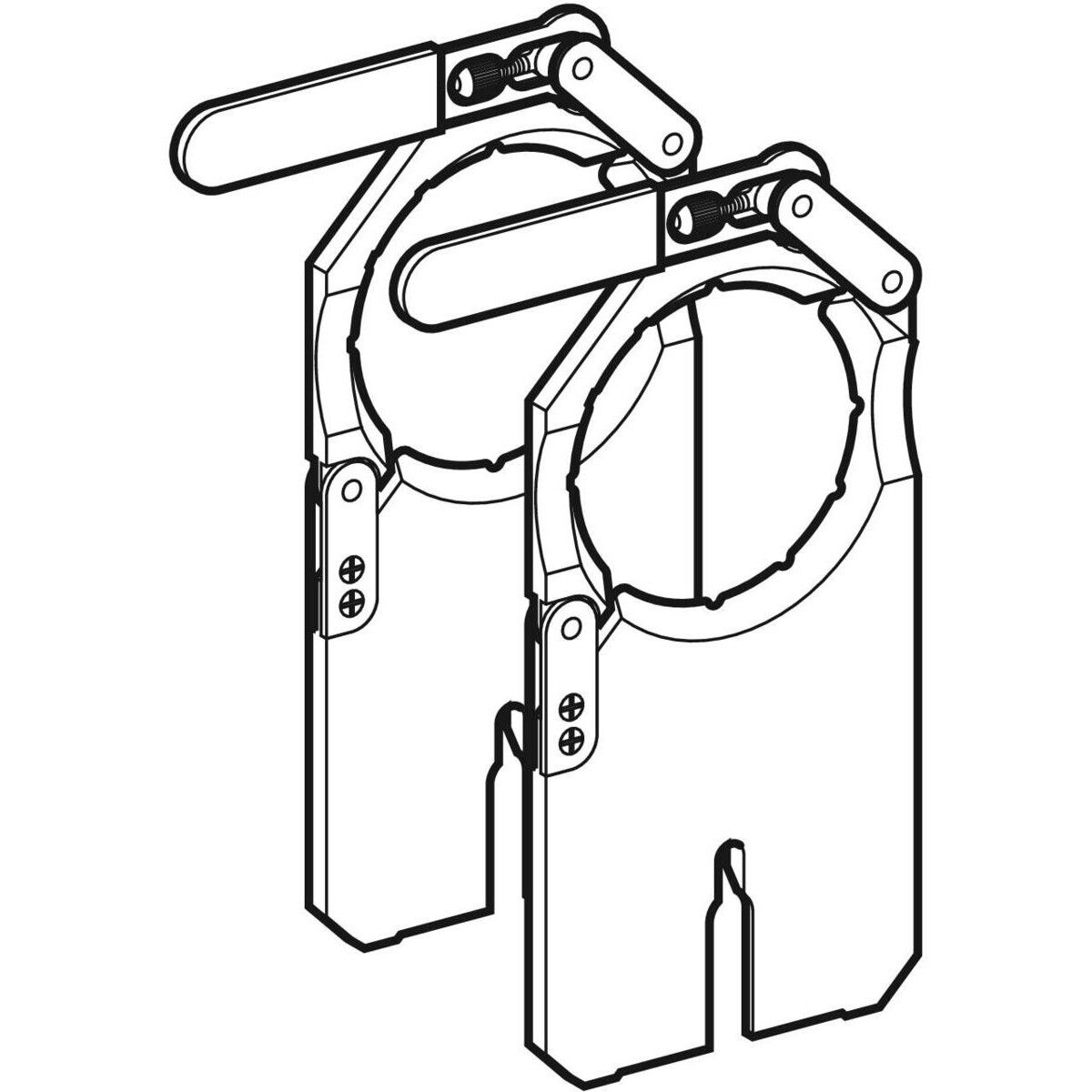
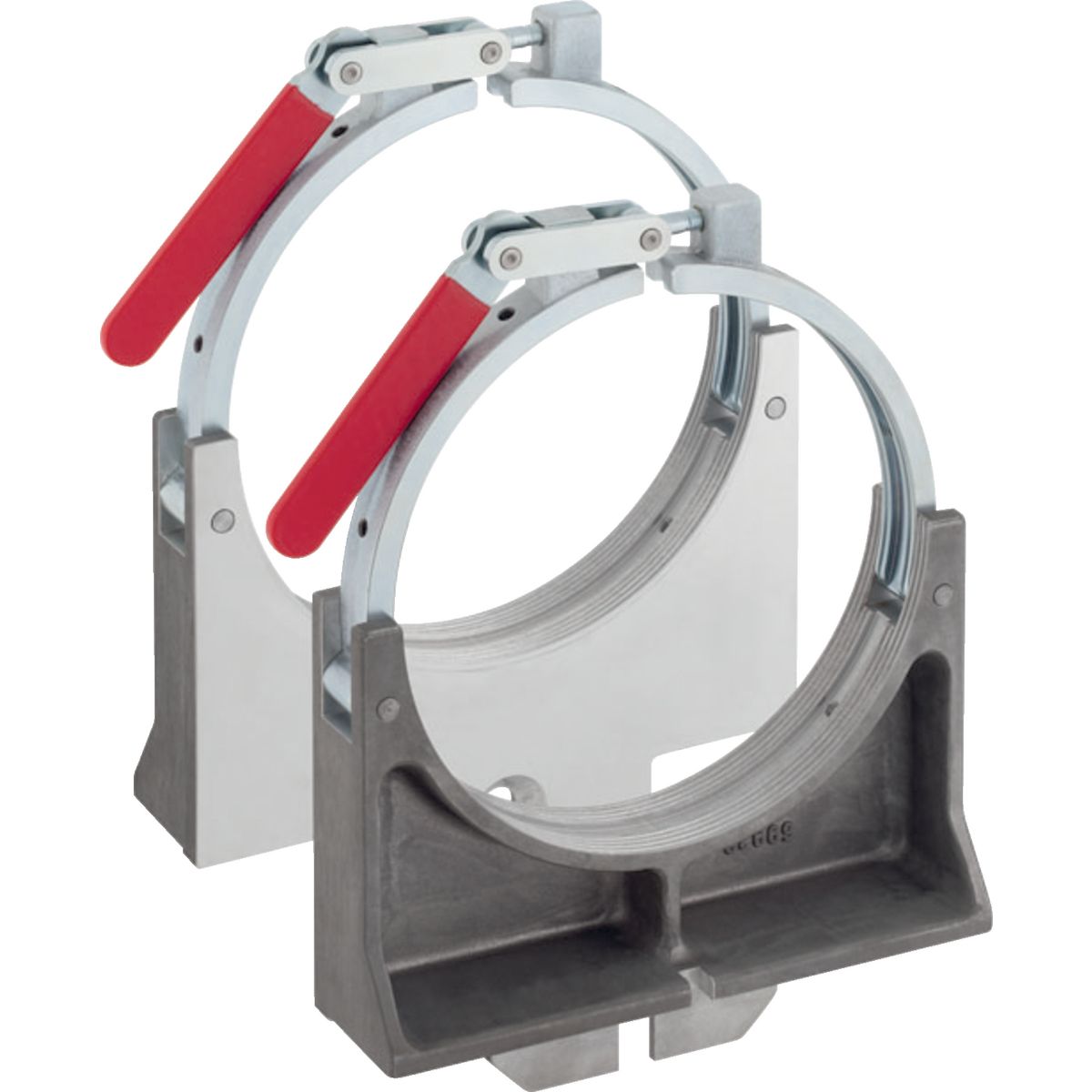
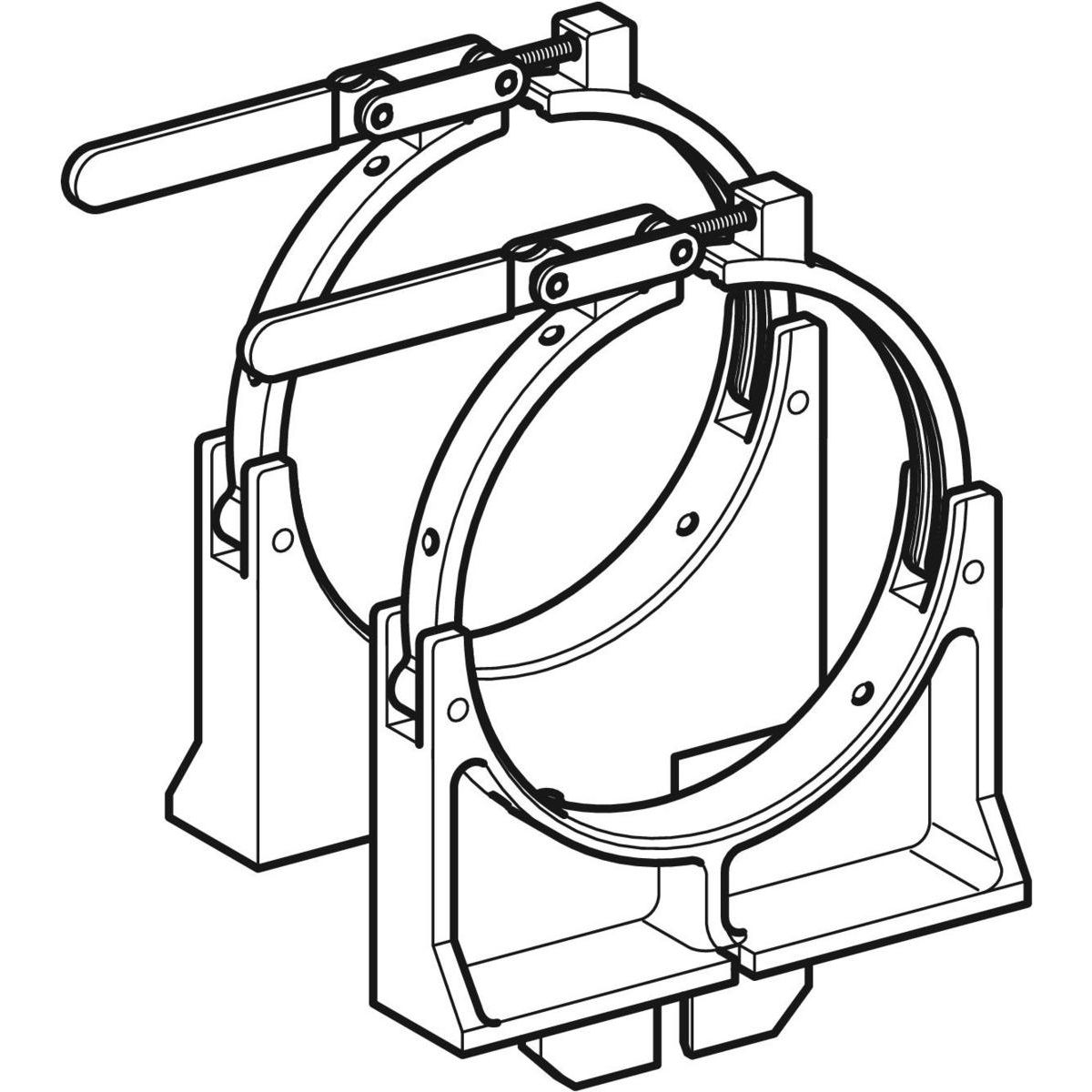
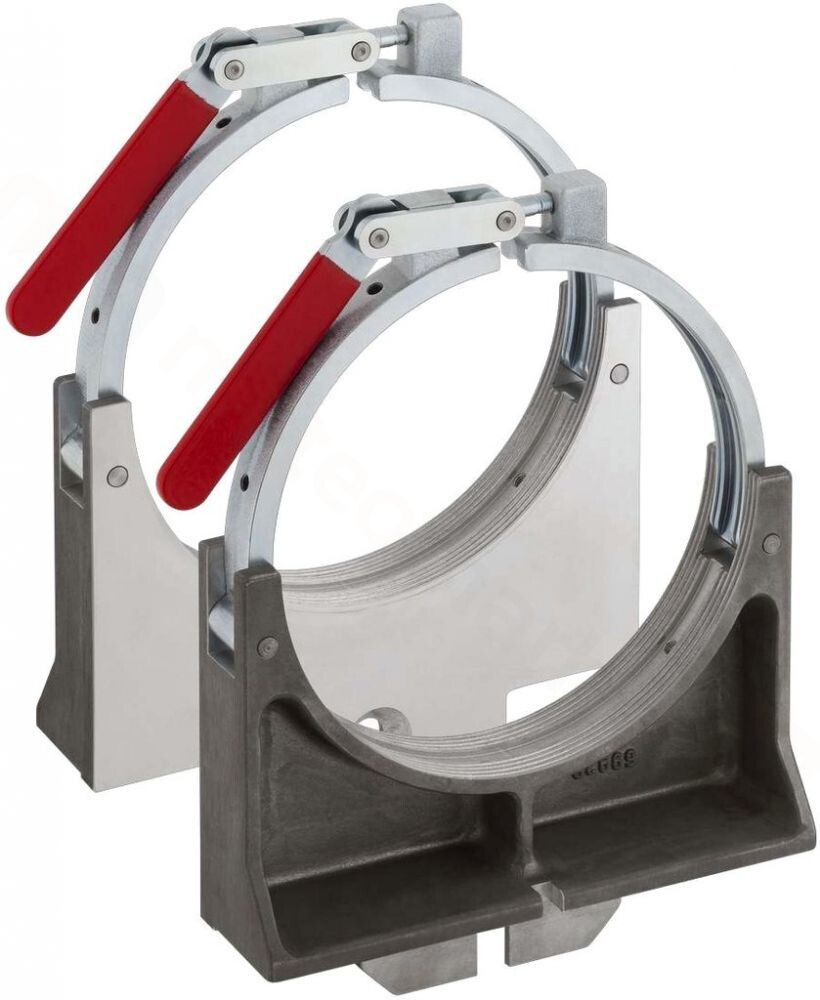
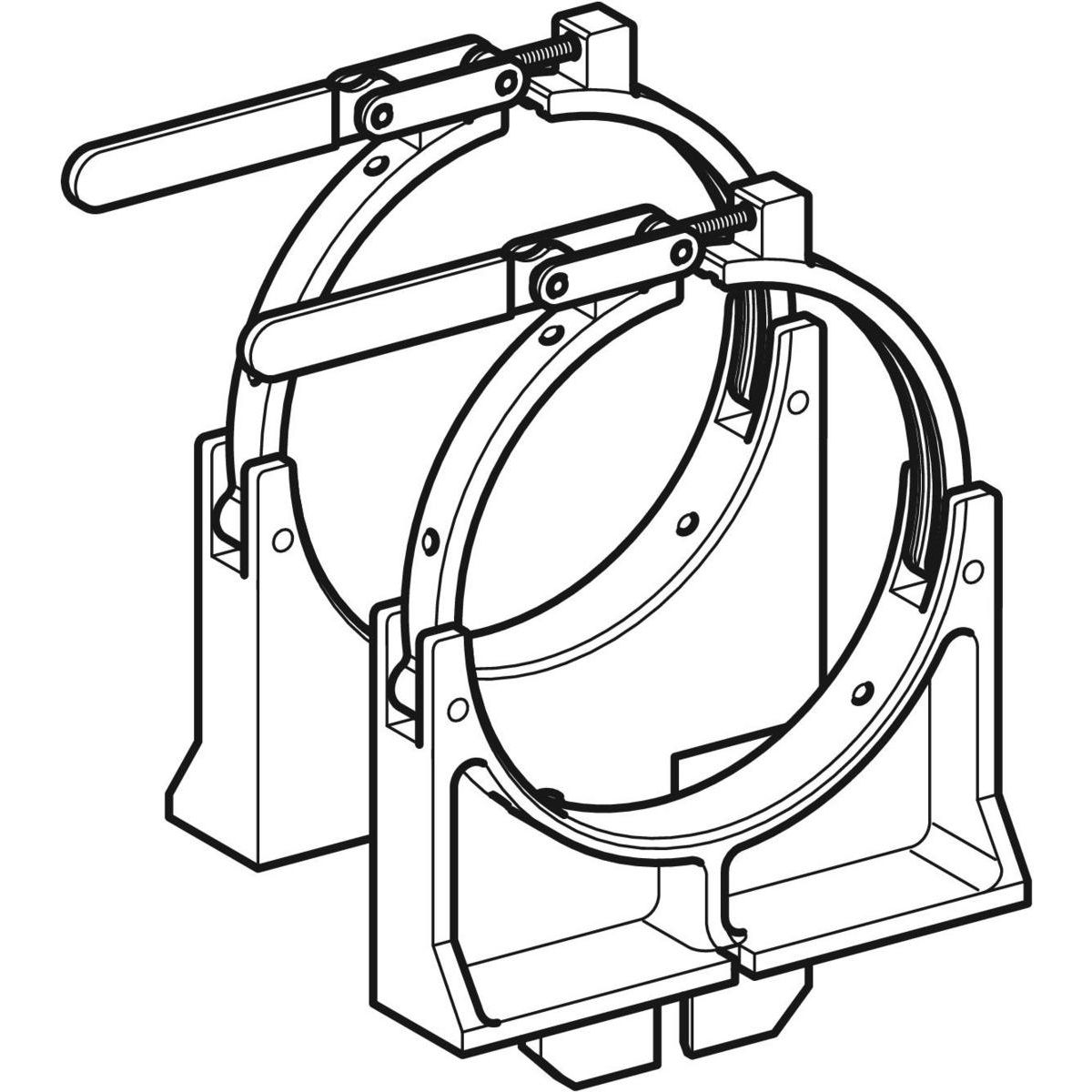
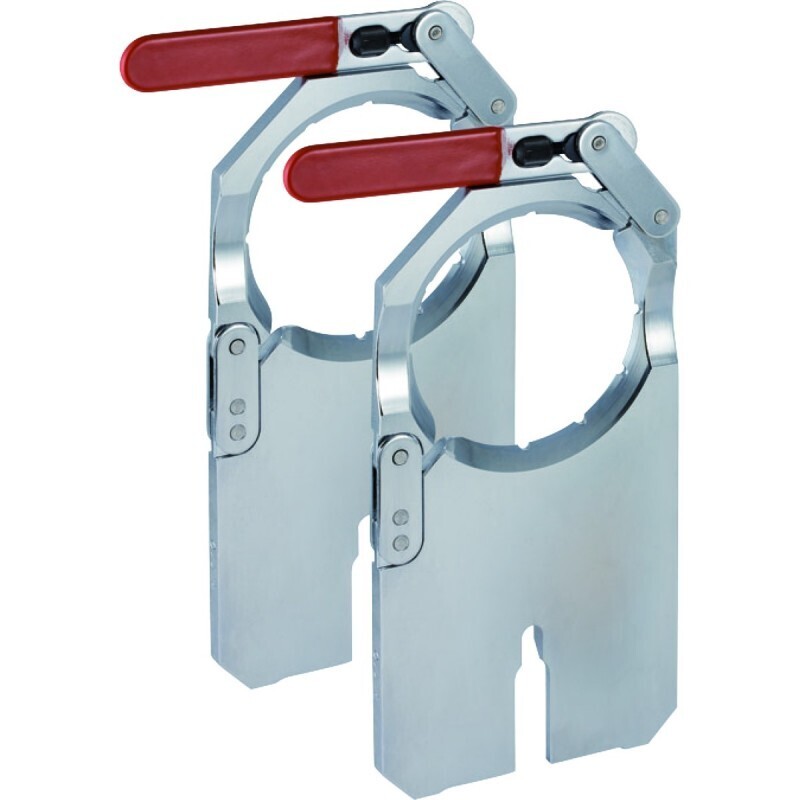
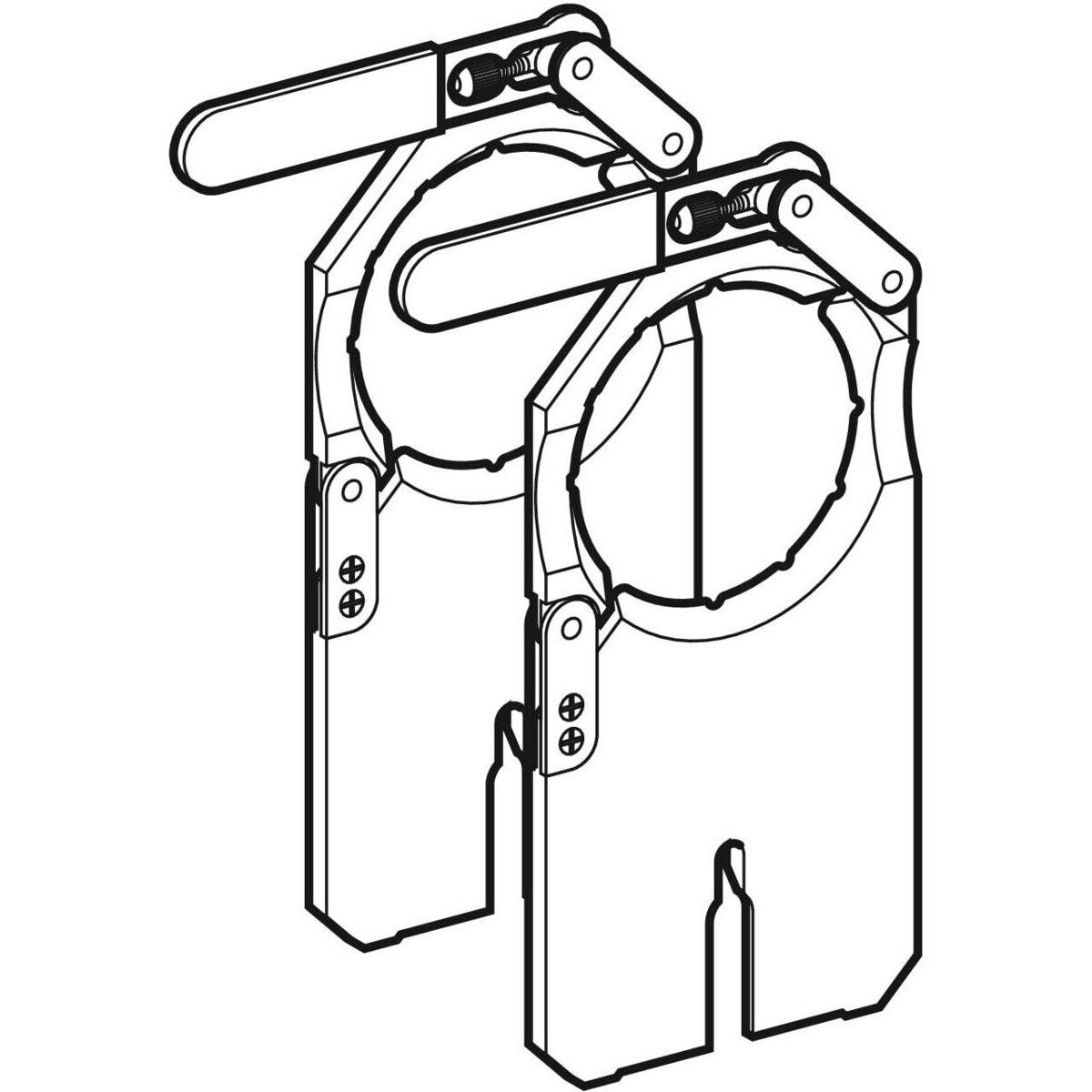
High-density polyethylene (HDPE) pipe fixing brackets are devices designed to securely fasten HDPE pipes in piping applications. They are used to support the pipes, prevent excessive movement or vibration, and ensure the integrity of the piping system. Here is a general description of HDPE pipe fixing brackets:
Construction: HDPE pipe fixing brackets are made from durable materials such as galvanized steel, aluminum, or fiber-reinforced plastic. These materials are resistant to corrosion and environmental elements, ensuring a long service life.
Types of brackets: There are various types of fixing brackets, suited to different applications. Common types include pipe clamps, wall mounting brackets, support brackets, and angle brackets.
Fixing mechanism: Fixing brackets are designed to be attached to walls, floors, or other supporting surfaces using bolts, screws, or other suitable fasteners. This ensures a strong and secure connection.
Adjustable Design: Some pipe support models feature an adjustable design that allows you to adjust the height, angle, or position of the pipes to suit specific application requirements.
Insulation: In certain applications, pipe supports are designed to minimize the transmission of heat or cold through the supports, which can be important for piping systems carrying fluids at extreme temperatures.
Protective Coatings: Some pipe supports have protective coatings, such as plastic or rubber coatings, to prevent direct contact between the metal support and the pipe, thus reducing the risk of corrosion.
Load Distribution: Pipe supports are designed to effectively distribute the pipe load across the support surface, minimizing concentrated stress points and reducing the risk of pipe deformation.
Compatibility: Pipe supports are available in various sizes to accommodate different HDPE pipe diameters. It is important to select supports that are the correct size for the pipes to ensure proper support. HDPE pipe supports are essential for maintaining the stability and durability of piping systems. Proper installation of the supports ensures that the pipes remain in place, minimizing the risk of leaks, ruptures, or malfunctions. It is recommended to follow the manufacturer's instructions and industry standards for safe and effective use and installation.